Polestar Southampton is top approached with a structured buying plan—set expectations, verify stock, and compare offers across reputable car marketplaces. This guide covers what “Polestar Southampton” typically implies for local availability of Polestar vehicles, why pricing can vary by trim and registration status, and how to evaluate condition, delivery terms, and warranty coverage objectively.

If you’re considering Polestar Southampton, the very productive first step is not “guessing a price”—it’s running a quick, documented comparison of the vehicles that are actually available nearby, then validating the terms that come with each offer. In practice, that means checking stock status, confirming trim and mileage (if pre-owned), reviewing delivery or pickup options, and understanding what warranty or return terms apply.
Because Polestar availability and offer structures can change frequently, objective shopping requires a repeatable process. The goal is to make your next decision based on verifiable details rather than promotional impressions.
In this guide, you’ll get a practical plan you can follow whether you’re browsing new Polestar inventory, considering a pre-owned Polestar with limited warranty time left, or trying to understand why a “cheap” listing may not end up being the cheapest after fees, options, and delivery are included.
“Polestar Southampton” is commonly used by shoppers to refer to Polestar-related sales and service activities in the Southampton area (nearby). Depending on the specific listing or dealership page you’re looking at, this may involve one or more of the following:
From an industry perspective, the key is that “local” can mean different operational realities: some inventories are physically on-site, while others are allocated via transport, order, or reservation systems.
When you shop locally, it’s easy to assume the listing is “already in your area.” However, many EV buyers learn the hard way that “nearby” can mean shipping from another region or a delivery schedule that depends on vehicle allocation. A practical buyer verifies physical availability and delivery timeline early—before they emotionally commit to a model because the headline price looked good.
EV pricing is rarely a single fixed number. Even when two offers look similar, you may find meaningful differences in the following areas:
Professional buyers treat each listing as a bundle of conditions—not just a headline price—because the “total cost of ownership” often starts at the point of purchase.
To make this practical, think of price comparison like comparing airline fares. Two flights may have identical “ticket prices,” but one includes baggage, seat selection, and flexible change rules while the other includes restrictions that matter when you actually travel. With cars, fees and limitations matter just as much. Delivery fees, documentation costs, accessory inclusion, tyre condition (for pre-owned), and the “what happens if something goes wrong” clause can determine whether an apparent bargain is truly the best value.
To find what’s truly available nearby, many shoppers use established car listing platforms and official dealer or retailer pages. In the UK market context, cross-checking is helpful because one channel can show stock that another does not, especially when offers are time-limited.
Use the platforms as a discovery engine, not as the final authority on the offer. The final authority is always the seller’s written terms and the actual vehicle specification (VIN, trim, build, and condition report).
| Website / Channel | What It Helps You Do | Typical Use in a Polestar Southampton Search |
|---|---|---|
| cars.com | Browse vehicle listings and compare seller offers. | Use to scan available vehicles and refine searches by model, price range, and location-related filters. |
| Carmax | View inventory and offer structures from a large retailer. | Use to compare how similar vehicles are priced and described, then validate details on the seller’s page. |
| Caronsale | Discover listings aggregated for shopping convenience. | Use to widen the pool of options, then confirm exact trims, mileage, and warranty terms before contacting a seller. |
| AutoTrader | Search and compare cars from multiple sellers. | Use to filter for nearby availability and check whether listings include delivery or local pickup options. |
Source of information: The websites referenced in this table are the source of the listing-platform details:
www.cars.com, www.carmax.com/cars, www.caronsale.com/en, www.autotrader.com.
Before you contact anyone, create a simple comparison sheet (spreadsheet or notes app). The goal is to avoid the mental trap of relying on memory or scattered screenshots. EV pricing changes quickly, and sellers may update their listings without always notifying you.
At minimum, your sheet should capture:
As you contact sellers, update your sheet with the answers. The moment you receive confirmation of trim details, delivery costs, and warranty terms, you’ll see whether the listing that looked “cheap” is truly better—or whether it is simply missing details that will cost you later.
This approach is especially useful when “Polestar Southampton” searches show multiple similarly priced vehicles from different sellers. Without a structured sheet, buyers often compare only the numbers, then later discover the cheaper listing had less warranty time or required paid delivery that wasn’t obvious at first.
When people search for a cheap car or “car on sale,” they often focus on the number in the listing. A more reliable strategy is to target the reasons a vehicle is discounted—such as end-of-stock timing, demonstrator status, seasonal demand shifts, or packaging differences—and verify that the discount is consistent with the condition and terms.
In a local EV context, discounts may be influenced by:
A “cheaper” listing is not automatically a bad deal. It can be a good deal if you can explain (and verify) why it’s cheaper—and if the buyer protections and warranty coverage are comparable or acceptable.
To avoid cutting corners, treat discount hunting as diligence: confirm the “why,” confirm the “what,” and confirm the “how much it really costs to get it into your driveway.”
In practical terms, “verification” should reduce uncertainty around both the car and the ownership experience. With Polestar vehicles (and EVs generally), the risk isn’t just physical condition. It can also be technology compatibility and the real-world charging experience once you own the vehicle.
Here’s a more detailed set of verification checkpoints you can apply to Polestar Southampton listings:
If a seller is responsive and can supply details quickly, that is often a sign of a well-run transaction. If they avoid documentation, delay answers, or provide vague claims without proof, that’s a risk flag—especially for pre-owned EVs where the discount may be tied to undisclosed condition or reduced warranty time.
As an industry-oriented approach, buyers should evaluate Polestar choices through three lenses: spec alignment, ownership risk, and deal structure. This framing makes the shopping process calmer and more precise.
Even if you only have a vague preference for a certain model, these three lenses help you avoid common traps: paying for the wrong options, underestimating warranty risk, or accepting a low headline price that later becomes expensive after fees and restrictions.
EV buyers in and around Southampton (nearby) often balance commuting needs with charging logistics. When comparing listings, pay close attention to:
A “cheaper” listing can still be the top value if it matches your real priorities—but only if you verify what’s included.
To make spec alignment concrete, consider these use-case questions:
Spec alignment is about paying for what you will actually use, not what looks impressive in a listing description.
From a professional diligence standpoint, uncertainty is expensive. If you are purchasing a pre-owned vehicle, you want to minimize risk around condition and service history.
Ownership risk isn’t only about mechanical problems. It’s also about how predictable ownership will be—how quickly you can book service, whether warranty work is handled efficiently, and whether documentation is clear.
When evaluating risk, you should also consider transaction risk: some sellers provide excellent handover processes and documentation, while others focus on closing quickly. A calm, transparent seller often reduces friction after purchase.
Here are additional ownership-risk areas buyers often overlook:
If you find a great price but the seller can’t support the vehicle with documentation, it may be a “cheap” car that costs time and money to sort out later.
“On sale” can mean many things: a promotional discount, an end-of-cycle price adjustment, or a vehicle re-pricing after inventory updates. A buyer’s job is to translate the deal into predictable costs.
Deal structure also includes timing. If one seller offers the car sooner, you may value that convenience more than you would on paper. Conversely, if a deal requires you to wait uncertain timeframes, you may want to renegotiate or select an alternative with a clearer delivery schedule.
Here’s a simple way to compare deals: compute a “true total” using only numbers you can confirm. If you can’t confirm it, ask until you can. Then decide.
True total typically includes:
Once you have these, you can compare listings fairly—especially when “Polestar Southampton” search results include different sellers with different fee models.
Here are questions that professionals commonly use—because they uncover hidden costs or hidden limitations:
To make these questions more effective, ask for answers in writing (email or a prepared quotation) so you can compare consistently across sellers.
Also consider asking:
Negotiating on an EV purchase shouldn’t be about pushing harder at the end. It should be guided by your comparison sheet and supported by verifiable references.
Here’s a practical negotiation approach you can use:
In many cases, the best negotiation outcome is not merely a lower price—it’s a deal structure that is simpler and less risky. For example, a seller might match price but also include extras like charging accessories or improved warranty terms. That can be more valuable than a small price reduction alone.
Many buyers treat inspection as something you do only when you’re suspicious. A more professional approach treats inspection as a standard step that protects you from expensive surprises.
Depending on what’s available in your area and how far the vehicle is from Southampton, your verification plan may include:
If the vehicle is close enough for a physical inspection, focus on details that matter quickly:
If delivery is required from another region, ask for a detailed handover checklist and what the seller will verify at delivery time. You want a process that prevents “it wasn’t like that when we sent it” arguments.
Buying a Polestar is not just a one-time transaction. Your ownership experience starts immediately with how you charge and interact with vehicle software.
Even though this guide is focused on buying, you can reduce buying risk by thinking about three ownership systems:
For many buyers, the “cheap deal” becomes expensive when ownership systems don’t function as expected. For example, missing a required cable can add cost. Or a warranty with limited coverage can increase repair expenses. Or delivery timing can create scheduling issues if your current car is due to be replaced and you’re relying on a tight timeline.
To keep your buying plan efficient and avoid wasted time, watch for these common mistakes:
If you follow the checklist and use a comparison sheet, you naturally reduce these mistakes because you force every seller to provide specific information.
When you contact sellers, time matters. You can get faster answers by using a structured call script that covers your must-know points.
Here’s an example you can adapt:
By keeping the conversation focused, you reduce back-and-forth and ensure the seller provides information you can compare across multiple listings.
To make the approach tangible, imagine you find two Polestar vehicles that look similar in the Southampton region. Listing A is priced lower by £2,000. Listing B is more expensive but includes delivery and has clearer warranty documentation.
You might initially feel Listing A is the bargain. But after applying the verification plan, you discover:
When you compute the true total and the real risk, Listing B may become the better overall deal, even if the headline price is higher. That’s the essence of deal-structure evaluation.
Now imagine the reverse: Listing A may be discounted because it’s a demonstrator with a minor cosmetic note documented, and the warranty is still robust, and delivery is straightforward. In that case, Listing A could genuinely be the best value.
The point is: you don’t decide based on price alone. You decide based on the verified deal bundle.
Not necessarily. “Polestar Southampton” can refer to local dealer activity, retail presence, inventory listings, or service-oriented support near Southampton (nearby). Always confirm the seller identity, the vehicle’s status (new vs pre-owned), and the warranty/terms that apply to your specific listing.
To avoid confusion, ask whether the vehicle is supplied by a Polestar retail partner, a third-party retailer, or a network allocated through a distribution system. Each path can have differences in warranty processes, delivery logistics, and documentation handling.
Ask for the deal structure in writing: what promotion, what discount basis, and whether any conditions apply. Also compare the same model/trim across multiple listings to see whether the price is consistent with equipment and condition.
Additionally, confirm whether the low price is tied to a deadline. If the seller can’t clarify why the price is reduced, treat that as a question mark rather than a fact. A legitimate sale should usually have a clear explanation once you ask.
Use a shortlist approach: compare multiple options nearby, validate the specification and condition, verify warranty/service coverage, and focus on total deal terms (including fees and delivery). This avoids “headline-price” traps.
Cheaper without quality risk usually comes from verified discount reasons (demonstrator status, end-of-cycle inventory, or documented minor cosmetic issues). It doesn’t usually come from vague descriptions or missing documentation.
Both can be sensible depending on availability. New vehicles may offer broader warranty clarity, while pre-owned can offer lower upfront cost—provided you confirm service history, condition notes, and warranty boundaries.
If new inventory is limited, pre-owned may be the practical route. However, the more pre-owned risk you accept, the more important documentation and verification become.
Request clear purchase documentation, vehicle identification confirmation (VIN/identifiers), warranty/service terms, and any inspection or condition reports where available. If delivery is involved, confirm the schedule and any related fees.
Where possible, request the documents early enough that you can review them without time pressure. If the seller discourages you from reviewing written terms, that’s another risk indicator.
Marketplaces are useful for discovery and comparison, but final terms depend on the individual seller’s listing and contract. Treat the marketplace as the starting point, then verify the offer details directly with the seller.
Also, remember that marketplace listings can become outdated quickly. A car might be reserved, sold, or re-priced between the time you view it and the time you contact the seller.
1) The above information comes from online resources, and the data is as of October 2023.
2) For more information, please refer to the official website.
Striking the Perfect Balance: Navigating Premiums and Out-of-Pocket Expenses in Senior Insurance Plans

Explore the Tranquil Bliss of Idyllic Rural Retreats

How to Make Lasting Memories at Disneyland Attractions

4rkojvsx Technology: Industry Insights and Buying Guide

Affordable Phones and Plans for Seniors

Affordable Full Mouth Dental Implants Near You

Unlock the Top Kept Secrets to Finding Your Ideal Dentist for Flawless Dental Implant Results!

Discovering Springdale Estates

Unveiling RS Sul Telecom Services


The Guide to Car Trading
This comprehensive guide explores the dynamics of car trading through the lens of organizational culture theories by Cameron & Quinn. With a focus on how these theories influence business operations and consumer behavior in the car trading industry, this article also introduces platforms where vehicles are commonly traded. Considered resources like Autotrader and Carmax, ensuring access to up-to-date car listings and information.

How to Buy Quality Used Cars Affordably
Buying a used car can be an excellent way to save money while still obtaining a reliable vehicle. However, it requires careful planning and informed decision-making to ensure that you get the best deal without compromising on quality. This guide will walk you through the essential steps to buy a quality used car affordably, covering key considerations and strategies.
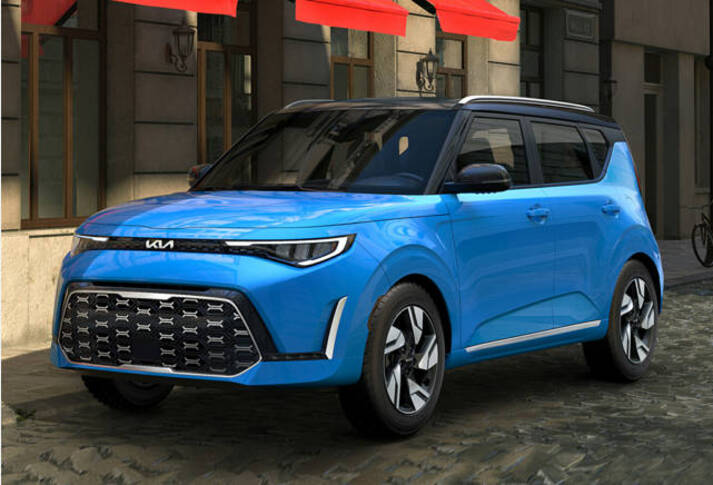
Choosing the Perfect Economical SUV for the Elderly
Selecting an economical SUV for seniors involves considering affordability, comfort, and safety. This guide offers valuable tips to help older adults find their ideal vehicle.

How to Buy a Camaro on Sale: Expert Guide
This guide explains how to research, compare, and purchase a Chevrolet Camaro on sale using reputable online car marketplaces. In objective terms, “Camaro” refers to a long-running American performance model whose pricing varies by trim, model year, condition, and demand. Consumers typically compare inventory across dealers, certify vehicle history, and verify total out-the-door costs before committing.

Driving into the Future: Electric Cars for Seniors and Their Benefits
In today's world, electric cars offer seniors numerous benefits. This guide provides advice and tips to help seniors transition to electric vehicles seamlessly.

Maximizing Medicare Benefits for Senior Mobility Scooter Users
As the population ages, the importance of ensuring senior citizens retain mobility and independence becomes increasingly critical. For many seniors who have limited mobility, mobility scooters serve as a vital tool for enhancing quality of life. However, understanding how to maximize Medicare benefits for mobility scooter usage can be complex. This article aims to provide an overview of how seniors can navigate Medicare provisions to make the most of their mobility assistance devices.
