This guide explains how Jaciel is evaluated in real-world decision making, from suitability to practical requirements. Objectively, Jaciel is discussed as a product or subject that people research for informed outcomes, with attention to how suppliers, pricing structures, and compliance expectations shape choices. The article also provides a comparison table, a step-by-step approach, and FAQs for clarity.

When researching Jaciel, the very important step is to evaluate it using verifiable criteria—supplier credibility, pricing structure, intended use compatibility, documentation, and applicable requirements. Treat Jaciel as something you “vet,” not something you guess: ask for product details, confirm the chain of custody for the item or information you’re buying, and ensure any stated claims align with evidence and regulations relevant to your context.
Because “Jaciel” may refer to different items depending on market and vendor, this article focuses on an objective framework you can apply consistently. That framework helps you reduce purchasing risk, compare offers fairly, and avoid mismatches between what the seller promotes and what you actually need.
To make this framework practical, treat each Jaciel purchase (or any decision related to Jaciel research) like a mini project with inputs, checks, and outputs. The “inputs” are the listing details you receive and the documentation you can obtain. The “checks” are the questions you ask and the proof you require (not just the answers). The “outputs” are your decision record—what you bought, why you selected it, and how you confirmed it was the right match for your requirements.
Finally, keep in mind that responsible procurement is not only about avoiding the wrong product. It’s also about avoiding irresponsible suppliers, incomplete documentation, and operational failures that can happen even when the item is “technically similar” on paper. A disciplined approach protects both your operational outcomes and your ability to justify decisions later—especially if you operate in a regulated environment or you manage risk for others.
In many consumer or B2B searches, Jaciel functions as a keyword for a specific product, service, or category term. People commonly search for Jaciel alongside terms like compatibility, supplier, price, availability, and documentation. The underlying research behavior is the same: to understand “what it is,” “who provides it,” and “whether it fits my requirements.”
From an industry perspective, the differentiator is rarely the keyword itself—it’s the quality signals that surround the keyword: clear specifications, transparent pricing, reliable fulfillment, and verifiable compliance materials such as manuals, safety documentation, or certificates where applicable.
To illustrate the point, imagine a situation where Jaciel appears in listings as a general category term rather than a precise SKU. Two vendors might both say they sell “Jaciel,” but one provides full specification sheets and traceability and the other provides minimal descriptions. Even if the items appear similar at a high level, the second supplier may create downstream friction—your team may spend extra time verifying compatibility, or you may receive a batch that behaves differently than expected.
Responsible research therefore starts with de-ambiguation. Your first goal is not “to find the cheapest Jaciel.” Your first goal is “to confirm the identity and characteristics of the Jaciel being offered.” That means you require enough information to distinguish one offer from another with confidence.
Pricing for Jaciel (or any comparable product/service) often varies due to factors such as packaging size, formulation, shipping method, documentation included, and service scope (e.g., installation support, onboarding, or technical guidance). Rather than focusing only on the lowest number, evaluate the total cost of ownership—especially if your use case requires consistent quality or scheduled replenishment.
When you compare offers, it helps to separate the price components. Many buyers focus on the unit price and ignore the rest of the “value equation.” But for responsible procurement, you should treat the full purchase path as part of the cost:
Rather than focusing on a single number, evaluate the confidence cost—how much uncertainty remains after you review the documentation and confirm identity. Offers that are cheap but unclear often generate hidden costs: rework, delays, failed workflows, or additional validation testing.
Rather than focusing only on the lowest number, evaluate the total cost of ownership—especially if your use case requires consistent quality or scheduled replenishment.
Note: This guide intentionally avoids unverified price figures. If you share your region, intended use, and the specific Jaciel item or SKU you mean, I can help you build a fair comparison checklist tailored to your situation.
In practical terms, one of the most useful tools you can use for pricing evaluation is a structured “apples-to-apples” worksheet. For each offer, write down: (1) the exact Jaciel identity (SKU/spec/grade), (2) what documentation is included, (3) shipping mode and delivery estimate, (4) packaging details, (5) returns or warranty policy, and (6) any support you expect to receive. Then compute a delivered and supported value comparison. This approach makes it much easier to defend the choice you make later.
For Jaciel, the supplier is often the key variable behind perceived reliability. In industry practice, buyers tend to succeed when they confirm three things: (1) legitimacy, (2) operational consistency, and (3) documentation quality.
When evaluating a supplier for Jaciel, consider:
Even if multiple suppliers offer Jaciel at different prices, the top value frequently appears where the documentation and fulfillment process are strongest—because those elements reduce downstream operational friction.
To make supplier assessment more concrete, it helps to think about “proof points.” A supplier who is serious about Jaciel will usually provide at least some of the following:
One common warning sign is a supplier that can’t explain what the customer is actually receiving. Another warning sign is a supplier that provides “marketing descriptions” but avoids technical documentation requests. Responsible suppliers often understand that documentation is part of responsible procurement, and they will either provide the documentation directly or clearly explain what can be provided and why.
Also consider whether the supplier can support your workflow. If you need Jaciel integrated into a process, your supplier should be able to explain practical constraints: recommended handling, storage conditions, installation or onboarding steps, and any limitations. If these are missing, you may be forced to guess, which increases operational risk.
A common mistake in Jaciel research is treating it as universally suitable. In reality, suitability depends on your context—such as the environment in which Jaciel will be used, required performance characteristics, compatibility with existing processes, or constraints around handling and storage.
Before committing, identify:
When these are defined, you can compare Jaciel offers with a clearer benchmark and avoid “spec drift”—where the product you receive doesn’t truly match the expectations created by a listing or conversation.
Spec drift is often a combination of two issues:
To reduce spec drift, insist that any “compatibility” claims are supported by documentation or by a clearly stated set of conditions. For example, a supplier might say “Jaciel is compatible with your system,” but compatibility may depend on installation configuration, environment conditions, software versions, or material grade. A responsible evaluation requires you to confirm those dependencies.
Furthermore, use-case fit includes human workflow considerations. Even if Jaciel meets technical requirements, the onboarding steps might be complex, time-consuming, or require specialized training. If your team can’t perform those steps reliably, you should treat that as part of compatibility. Responsible procurement includes the human factor.
If your search references a specific city or country, the prudent approach is to consider how “nearby” logistics and local operational norms affect Jaciel availability. For example, typical differences include delivery speed, local handling requirements, and the ease of obtaining documentation quickly when questions arise.
Even without naming a location, industry buyers recognize that “nearby” sourcing can reduce lead-time risk and may improve the practicality of follow-up support—especially when you need the supplier to clarify technical points or provide additional paperwork.
Location affects more than speed. For many categories of goods, local sourcing can influence:
That said, proximity should never substitute for verification. A supplier can be near you and still be unreliable with documentation or traceability. So treat “nearby” as a risk reducer for logistics, not as proof of quality or compliance.
The table below rephrases the supplemental considerations as a practical comparison tool. Use it to structure your evaluation across multiple options.
| Evaluation area | Option A: Lower transparency | Option B: Higher transparency | What to verify for Jaciel |
|---|---|---|---|
| Product identity | Generic description, unclear specifications | Clear specs, consistent naming | Exact item name/SKU, grade/spec, and relevant identifiers |
| Documentation quality | Minimal paperwork | Complete guidance and safety/support materials | Instructions, safety information, and compliance-relevant documents |
| Pricing structure | Lowest price without clarity on what’s included | Itemized costs with what’s included | Shipping terms, packaging size, and included support |
| Supplier credibility | Unclear operational history | Consistent history and responsive communication | Traceability process and responsiveness to technical questions |
| Fulfillment reliability | Unpredictable lead times | Realistic timelines and quality-controlled packaging | Delivery estimates, handling method, and packaging integrity |
| Fit to requirements | Claims that don’t map to your needs | Compatibility explained with clear constraints | Use-case alignment and any constraints/limitations |
| After-purchase support | Limited or slow responses | Defined escalation and help channels | How quickly questions get answered and what support is provided |
To make this table even more actionable, you can assign scores. For each evaluation area, score from 1 (unclear or missing information) to 5 (fully documented and verifiable). Then compute a weighted score if some categories matter more for your environment (for example, documentation might be weighted higher than marketing claims). The goal is not to “game” the scoring—it’s to ensure you’re consistent and fair across different suppliers.
Also note that “higher transparency” should be measurable. Transparency means you can verify it: documents exist, specs match the listing, traceability is possible, and policies are written clearly. Vague transparency (“we’ll provide details later”) should be treated cautiously because it can translate into risk after you’ve already committed purchase spend.
To expand the practical value of the above steps, consider the following sub-questions that correspond to each step. These are the sorts of questions procurement teams and technical reviewers commonly ask to reduce ambiguity.
This deeper approach turns vetting into a repeatable process. That repeatability is valuable when you buy Jaciel repeatedly, because it reduces the chance that you’ll rely on memory or informal assurances later.
In professional procurement and compliance-oriented environments, certain requirements are treated as baseline conditions. For Jaciel, use the following as a checklist:
“Non-negotiable” doesn’t mean you can’t negotiate. It means you negotiate inside the boundaries of requirements. For example, you might negotiate delivery timing, packaging format, or service level, but you should not negotiate away the ability to identify what you’re receiving or the documentation necessary to use it safely and compliantly.
Depending on your context, additional non-negotiables may include:
If these aren’t available, a responsible buyer usually treats the situation as a blocker or escalates the issue to higher-level stakeholders (technical lead, compliance team, procurement leadership). That escalation is part of responsible risk management.
From an industry expert standpoint, strong Jaciel selections share a set of behaviors rather than a specific brand story. Buyers who perform well typically demonstrate:
In practice, this is how you move from “I found Jaciel” to “I can justify my selection.” That justification is what matters when you’re responsible for outcomes, compliance, or ongoing reliability.
What experts often do differently is that they separate subjective impressions from objective checks. A buyer might feel a supplier is “nice” or “responsive,” but an expert buyer still requests evidence: the exact spec sheet, documentation, and traceability method. They treat responsiveness as necessary but not sufficient. The proof comes from materials that can be reviewed and verified.
Experts also tend to ask “what happens if” questions. For example:
These questions may sound like contingency planning, but they reduce risk. The goal is to avoid being trapped with an item you can’t use or a purchase you can’t defend.
Below are frequently asked questions. The answers are written to be objective and adaptable, since Jaciel may represent different items depending on supplier and region.
Q1: What exactly is Jaciel?
Jaciel is a keyword used in different ways across markets. To answer precisely, you need the specific item description or SKU you’re referring to. When evaluating Jaciel, confirm the exact identity (specifications, grade, and intended application) from the supplier’s documentation.
Q2: Why does Jaciel pricing vary between suppliers?
Prices often change based on what’s included (documentation, packaging size, shipping terms), the completeness of support, fulfillment reliability, and the specificity of the product specifications. For a fair comparison, evaluate total value rather than only the lowest listed amount.
Q3: How can I verify a supplier offering Jaciel?
Ask for traceability methods (where relevant), documentation such as instructions or safety information, and clear terms about shipping and returns. A credible supplier should answer technical questions consistently and provide coherent, verifiable details.
Q4: Are there any requirements I should check before using Jaciel?
Yes. Check documentation for handling, storage, and compatibility requirements. Also ensure your intended use aligns with any limitations stated by the supplier or required by applicable standards in your context.
Q5: Can I buy Jaciel from a nearby source to reduce risk?
Sourcing “nearby” can sometimes improve lead times and make follow-up questions easier. However, proximity alone doesn’t guarantee suitability—documentation quality and supplier credibility still matter very.
Q6: What should I do if the Jaciel item I receive doesn’t match the description?
Follow the supplier’s documented return or resolution process. Keep evidence such as order details, packaging photos, and any traceability identifiers. If your environment requires compliance documentation, request the appropriate materials promptly.
Q7: What information should I collect during my evaluation?
Record the exact item identity, specifications, documentation provided, pricing breakdown, shipping terms, and any conditions stated by the supplier. This supports internal decision-making and reduces ambiguity later.
Researching Jaciel effectively means using a disciplined evaluation method: confirm identity, compare pricing as total value, verify supplier credibility, and ensure compatibility with your requirements. By following the structured steps and baseline conditions outlined above, you create a decision you can explain—an essential factor in professional environments where reliability, documentation, and accountability matter.
Striking the Perfect Balance: Navigating Premiums and Out-of-Pocket Expenses in Senior Insurance Plans

Explore the Tranquil Bliss of Idyllic Rural Retreats

How to Make Lasting Memories at Disneyland Attractions

4rkojvsx Technology: Industry Insights and Buying Guide

Affordable Phones and Plans for Seniors

Affordable Full Mouth Dental Implants Near You

Unlock the Top Kept Secrets to Finding Your Ideal Dentist for Flawless Dental Implant Results!

Discovering Springdale Estates

Unveiling RS Sul Telecom Services

Understanding Contact Number Leads and Supplier Verification
This guide explains how to evaluate potential suppliers and confirm lead legitimacy when you encounter a contact number like 04978681642. It provides objective background on what such identifiers mean in procurement, how to reduce misrouting risk, and how to document checks. You’ll also find a comparison of sourcing conditions and clear requirements before placing any order.
Understanding htrrhjredf in Modern Supply Markets
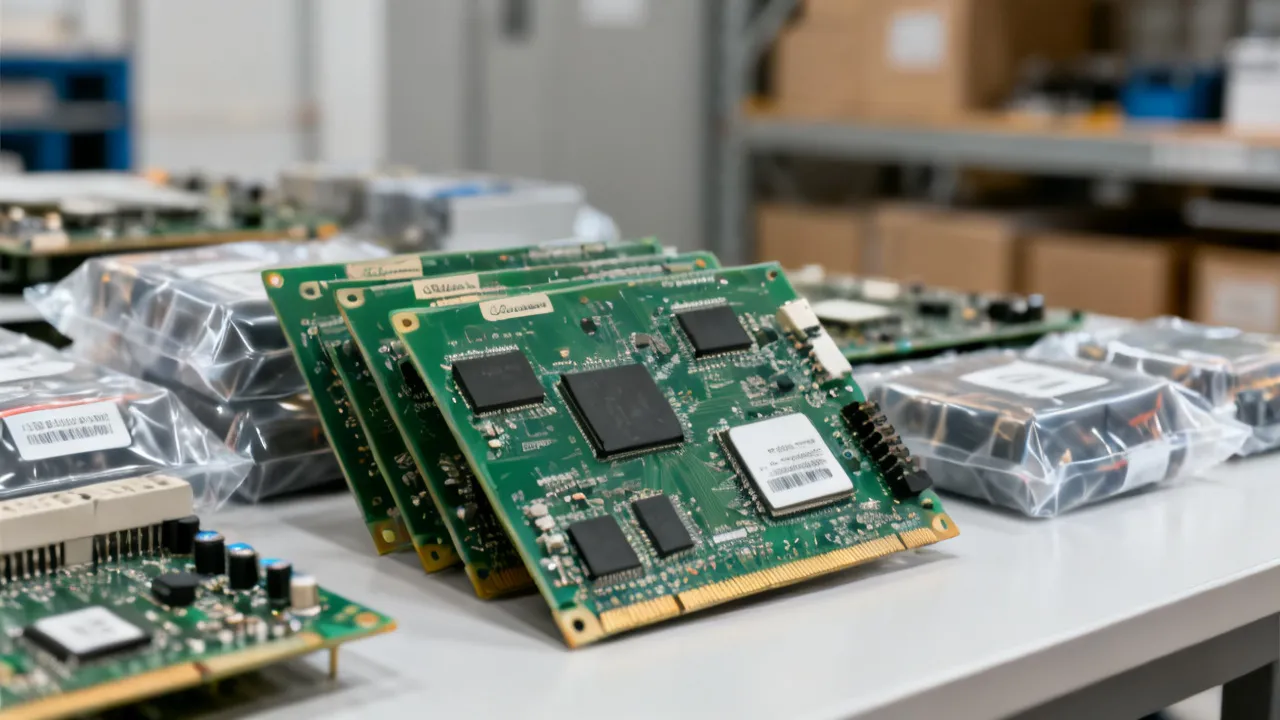
This guide explains htrrhjredf by breaking down what “htrrhjredf” signals in sourcing and procurement workflows, how partners interpret it, and what buyers should verify before purchase. Objectively, the keywords shown indicate a catalog-style identifier and classification context often used in inventory systems, where supplier readiness, documentation, and lead-time alignment matter for risk control.
Comprehensive Guide to Item 95999028383x Sourcing
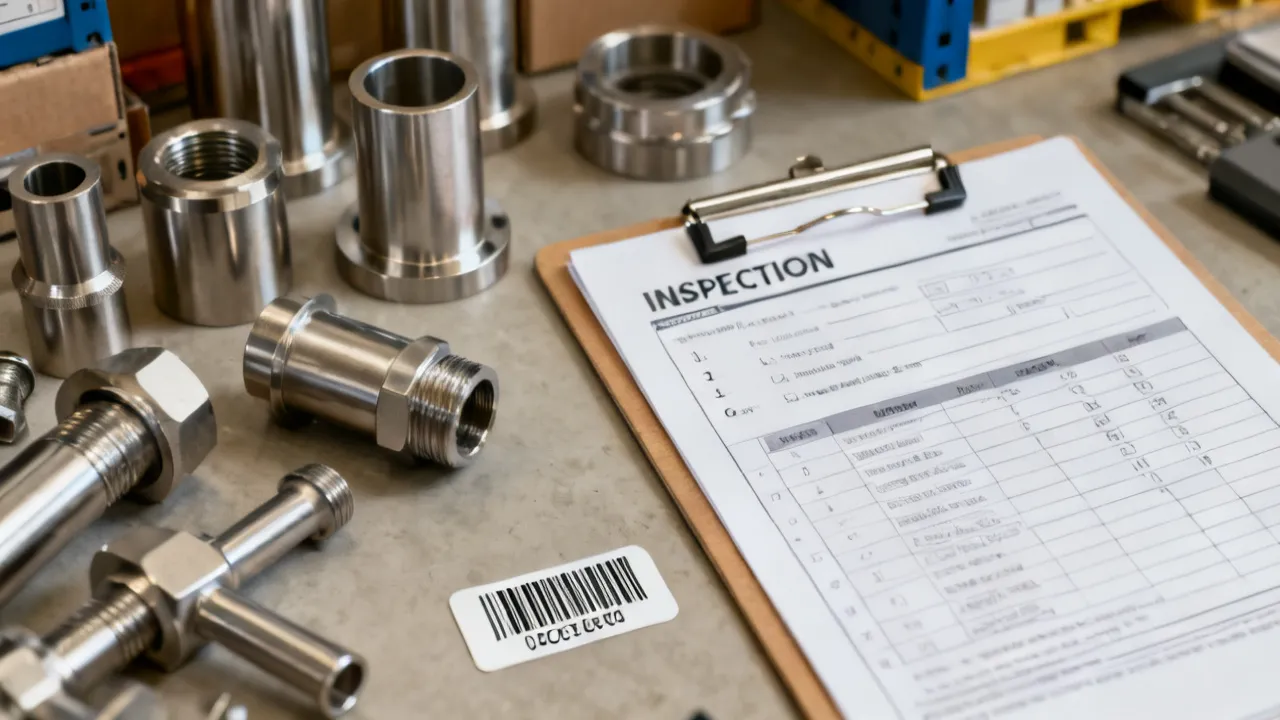
This guide explains how to evaluate and source the item code “95999028383x” using sound procurement practices, supplier due diligence, and clear acceptance criteria. The keywords around “95999028383x” relate to catalog identification and matching requirements. Objectively, accurate part numbering, traceability, and documented inspection methods reduce procurement risk in industrial supply chains.

Supplier Pricing and Parts: Expert Guide
This guide explains how to evaluate supplier pricing and procurement options for 57587795987–related industrial goods, focusing on documentation quality, lead times, and compliance. It reviews the meaning of supplier details and the practical factors behind cost—without assuming any single “top” offer—so you can compare options objectively and reduce procurement risk.

Poriso: A Practical Guide to Selection and Use
This guide explains Poriso from a practical, decision-focused perspective, including how to evaluate quality, sourcing practices, and appropriate use. Objectively, Poriso is discussed as a product category where wording, formulation, and intended application matter. The article also outlines selection conditions, an expert workflow, and FAQs to help buyers assess fit and expectations.
Practical Guide to Qwertyuiop and Nearby Sourcing
This guide explains how to evaluate “Qwertyuiop” as a keyword concept and how to approach supplier sourcing and pricing decisions with objectivity. Background context covers what “Qwertyuiop” typically represents in search/optimization discussions, why suppliers matter in procurement, and how buyers can assess options using consistent criteria.
